
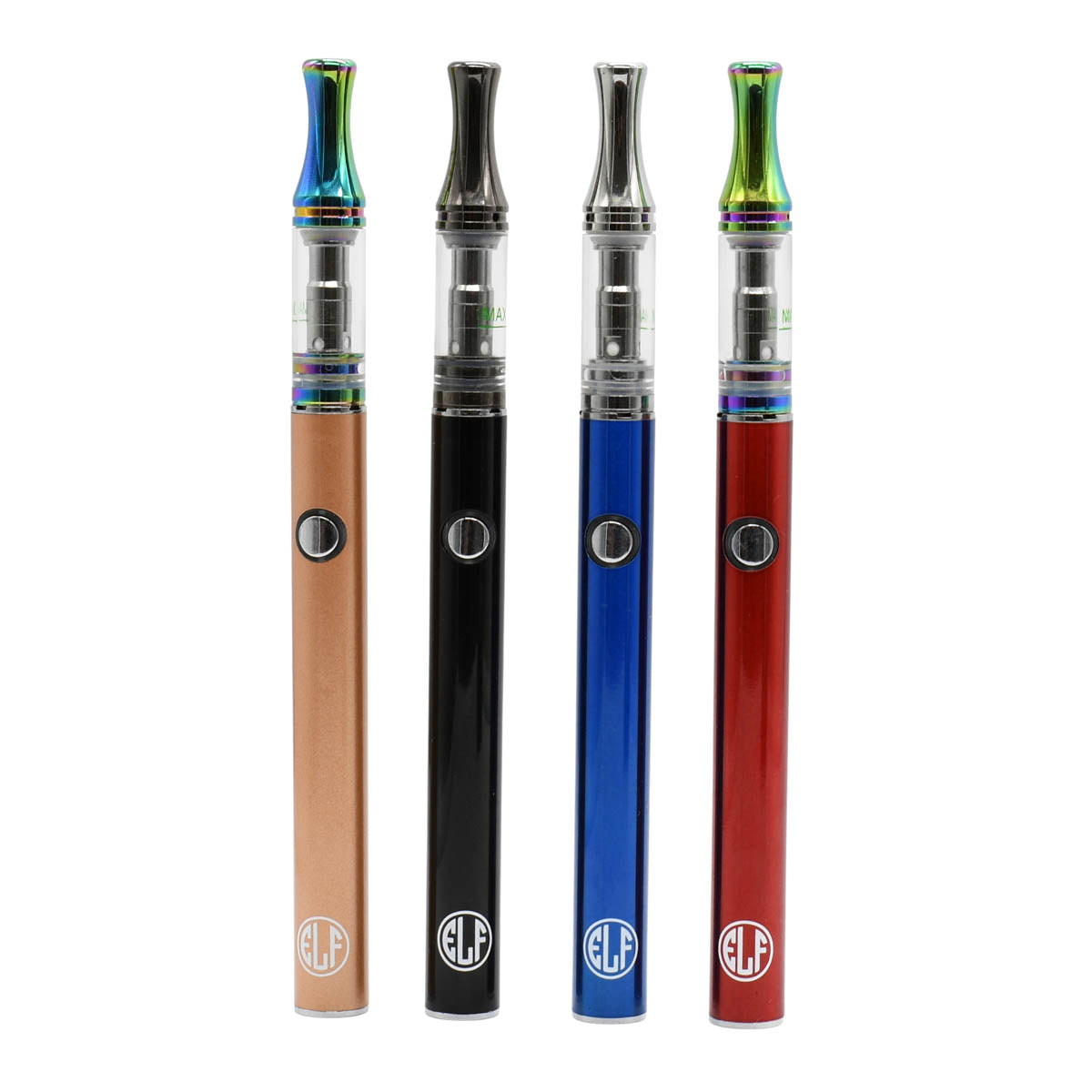
How do you pick the right 510 thread battery for your cartridges?
It really comes down to what you care about most: flavor, vapor, or just convenience. It isn’t just about making sure the screw-on connection fits, either. You have to match the battery’s electrical output to the resistance of your specific oil or distillate. This relationship between voltage and resistance determines how efficiently the heating element converts electrical energy into thermal energy. If the resistance in your cartridge is high, you need a battery capable of pushing enough current to maintain a consistent temperature without the voltage sagging mid-hit.
If you’re using a thick distillate, a low-voltage battery will leave you struggling to get any vapor at all. Thick oils have a high viscosity, meaning they don’t flow easily over the heating element. A weak battery might not provide enough sustained heat to turn that thick liquid into a fine mist, leaving you coughing on nothing. On the flip side, if you have a thin, high-terpene live resin, cranking the heat too high will just scorch the oil and ruin the taste. It’s a balance that most beginners don’t realize they need until they’ve accidentally burned through a $50 cartridge by using a high-output device on a delicate concentrate.
Why Voltage Control Changes the Flavor Profile
Voltage is the most important factor in your daily experience. A lot of people think “more power” means “better hits,” but that’s a mistake. High voltage creates larger bubbles in the heating element, which produces more steam but usually destroys those subtle floral notes. When you push too much voltage through a coil, you aren’t just heating the oil; you are essentially flash-frying the delicate aromatic compounds that give premium cannabis its unique profile.
If you’re vaping a premium CBD or THC cartridge, you want to actually taste the terpenes. These aromatic compounds are delicate. If you set your battery to 3.8V or higher, you might get a massive cloud, but it’ll taste like burnt toast. This is because high heat causes the terpenes to oxidize and break down into acrid, smoky compounds. Drop down to 2.2V or 2.5V and you’ll get a much more nuanced, flavorful draw. This lower range is often referred to as “flavor chasing” because it prioritizes the sensory experience over the sheer volume of vapor produced.
This is why variable voltage is a non-negotiable for anyone serious about their collection. You need to be able to dial in the exact setting that suits your oil. I remember trying to use a cheap, single-voltage battery with a high-end live rosin cartridge once; I burned through the whole thing in two days because the heat was just too intense. The oil would hit the coil, instantly overheat due to the high amperage, and char the bottom of the cartridge, rendering the remaining oil undrusable.
Modern devices have made this easier by adding digital readouts. You aren’t just guessing based on how many times a button flashes. You know exactly what you’re getting. When you look for 510 thread vapes, look for units that offer at least three to five distinct settings to cover all your bases. Having granular control allows you to transition from a flavor-heavy session in the morning to a more robust, cloud-focused session in the evening using the exact same hardware.
| Voltage Setting | Best Use Case | Vapor Result |
|---|---|---|
| 2.0V – 2.8V | Live Rosin / High Terpenes | Flavor-focused, light clouds |
| 2.8V – 3.2V | Standard Distillates | Balanced flavor and vapor |
| 3.2V – 3.7V+ | Thick Oils / CBD | Max clouds, high heat |
Understanding Connection Types and Thread Integrity
Not all 510 connections are created equal, and this is where many users run into unexpected frustration. While the “510” refers to the thread size (5mm diameter with a 1.0mm thread pitch), the way the battery actually makes contact with the cartridge can vary significantly. You will generally encounter two types: pin-style connections and spring-loaded contact pins.
Pin-style connections are the traditional method. The battery has a fixed, stationary metal pin that protrudes through the top of the device. This works well for cartridges with a standard depth, but if your cartridge has a slightly recessed bottom, you might find that the connection is loose or inconsistent. On the other hand, spring-loaded pins are much more forgiving. These pins can compress slightly when you screw your cartridge on, ensuring a tight, pressurized connection regardless of whether your cartridge is slightly shorter or taller than average. This physical connection is the lifeline of your device; if it’s loose, you’ll experience “shorting out,” where the battery detects a connection error and cuts power immediately.
When choosing a battery, look for high-quality machining on these contact points. If the pins look uneven or are stuck in a compressed position, the battery is likely low quality and will cause your cartridges to leak or fail to fire. A high-quality battery will have smooth, responsive pins that provide a consistent electrical path every time you thread a new cartridge on.
The Shift Toward Modern Battery Hardware
The era of the basic, “dumb” pen is ending. They still work, but the new generation of hardware is much more sophisticated. We’re seeing a move toward USB-C charging, which is a huge relief if you’re tired of hunting for a micro-USB cable you lost months ago. The industry has largely standardized on USB-C because it is more durable and supports higher current, meaning you aren’t tethered to a wall for hours just to get a full charge.
USB-C is the standard now, and it makes a difference in how often you have to think about your device. It also charges faster and more reliably. You want a battery that keeps up with your lifestyle, not one that dies halfway through a session because it’s using an outdated charging standard. Furthermore, look for batteries that feature “pass-through charging,” which allows you to use the device while it is plugged in. While not ideal for the long-term health of the lithium-ion cell, it is a lifesaver when you’re in a pinch.
Preheat functions are another big upgrade. A preheat setting sends a short, low-voltage burst to the coil to warm up the oil before you take your actual hit. This is a lifesaver in the winter or if you’re using a thicker oil that has gotten a bit sluggish at room temperature. By gently warming the distillate, you reduce the viscosity, allowing it to flow more evenly over the heating element. This prevents “dry hits,” where the coil heats up without enough oil present to absorb the heat, which is the primary cause of burnt-tasting cartridges.
The Cartisan Pro Pen is a good example of where things are headed. It has a color digital screen, which takes the guesswork out of your settings. If you want to see exactly what your battery is doing at a glance, these digital interfaces are worth the extra money. They often include battery percentage indicators, which are far more useful than a simple blinking light that tells you nothing about how much actual capacity is left.
Finding the Best Value for Your Budget
Prices vary wildly. You can find entry-level options that are fine for someone just starting out. You can find 510 thread battery and cart pens for as low as $10, which is plenty for a backup device you keep in a car or a bag. These are often simple, one-button devices with limited voltage settings, usually just three levels of heat.
That said, don’t go too cheap on the internal electronics. A battery with poor voltage regulation will fluctuate even if the screen says 3.0V. This is often due to cheap, low-quality circuit boards that cannot maintain a steady current as the battery drains. This inconsistency is frustrating and leads to uneven heating, which can cause you to burn through your expensive oil much faster than expected. It’s better to spend $30 on a reputable brand that uses a high-quality chipset than $10 on something that won’t hold a charge for a week or will wildly jump from 2.0V to 3.5V without your input.
If you want something more substantial, look for a battery with a lifetime warranty. That usually means the internal components are actually built to last rather than being cheap, disposable electronics. Premium devices often feature advanced chipsets that include overcharge protection, short-circuit protection, and temperature regulation, all of which add layers of safety and longevity to your hardware.
- Entry-Level: Great for beginners or backups; usually $10 to $25. Features basic button activation and limited voltage steps.
- Mid-Range: Features USB-C and variable voltage; usually $30 to $50. Often includes preheat modes and more reliable pin connections.
- Premium: Digital screens, preheat modes, and better build quality; $50+. These typically include advanced safety features and superior voltage stability.
Portability and Discreet Design Factors
How you use your device dictates what shape it should be. If you’re at home, you might want a larger, more robust battery with more capacity. A larger battery will typically have a higher milliamp-hour (mAh) rating, meaning you can go days or even weeks without needing to plug it in. If you’re a commuter, you want something sleek that won’t draw attention in your pocket. Size and weight matter when you’re deciding between a device that stays in your pocket or one that stays in your bag.
Some people like the classic pen style because it’s slim and mimics the look of a standard vape pen. Others prefer the “box mod” style because it feels more substantial and has a more stable base. A box-style device is much harder to accidentally knock over on a table, which is a common cause of leaking cartridges. The “Neo” is a good example of a device that takes the classic pen style and adds modern upgrades like five variable voltage settings, bridging the gap between simple portability and advanced functionality.
Discretion is another thing to consider. Some batteries have a very bright LED that lights up every time you take a hit. If you need to be low-key, look for a device with a subtle indicator light or a dimmable screen. You don’t need a neon sign attached to your clothes that announces every time you are using your device.
Reliability is the real metric. A battery that works 99% of the time is fine, but that 1% failure rate usually happens when you need it most. Look for brands that focus on consistent power delivery. A reliable connection between the battery and the cartridge is the foundation for everything else. If the connection is flaky, even the most expensive cartridge in the world will perform poorly.
When you’re shopping, check if the device is listed as a 510 Thread Battery – Shop Online – Element Vape option to make sure it’s actually compatible with your cartridges. It prevents the headache of buying a high-tech battery only to find it doesn’t thread correctly on your favorite oil. Always ensure the threading is clean and the pins are aligned before attempting to screw on a new cartridge.
Keep your connection points clean. Over time, microscopic amounts of oil can leak from the bottom of your cartridge and settle on the battery’s contact pins. This residue acts as an insulator, preventing the electrical current from reaching the cartridge. Wipe the threading with a Q-tip and a little isopropyl alcohol once a week so oil buildup doesn’t cause a poor connection or a sudden failure in performance.